

The new platform war isn’t about prettier dashboards. It’s a race to give agents native, first‑party access to real APIs so they never have to touch a DOM. I can’t believe how quickly platforms are moving to support this, but it signals the agentification of everything.
Here’s a few of the projects that are leading this:
Google Workspace CLI: Built for Agents

Google dropped an official, open‑source CLI from the Google Workspace team that exposes Gmail, Calendar, Drive, Sheets, Docs, Chat, etc.
This is a way to let “AI agents interact with Google Workspace” using “hundreds of dynamically generated commands.” The skills that ship with the CLI cover common workflows like processing email, generating documents, creating meetings, managing spreadsheets.
Agents call high-level actions instead of raw REST endpoints. This isn’t a wrapper. It’s Google saying: agents are first-class users now.
Next.js + MCP: Frameworks Speaking Agent Protocols
Modern web stacks are exposing their internals over agent-friendly protocols instead of forcing agents through the front-end.
Clerk’s “MCP Server Support for Next.js” shows how a Next.js app can act as a Model Context Protocol server through a single API route. Instead of spinning up a separate tool service, you add MCP support directly into your existing app. Agents like Claude or IDE copilots can call typed tools on your data.
No DOM scraping. No browser automation. Just direct API access.
WordPress: Markdown for AI Agents
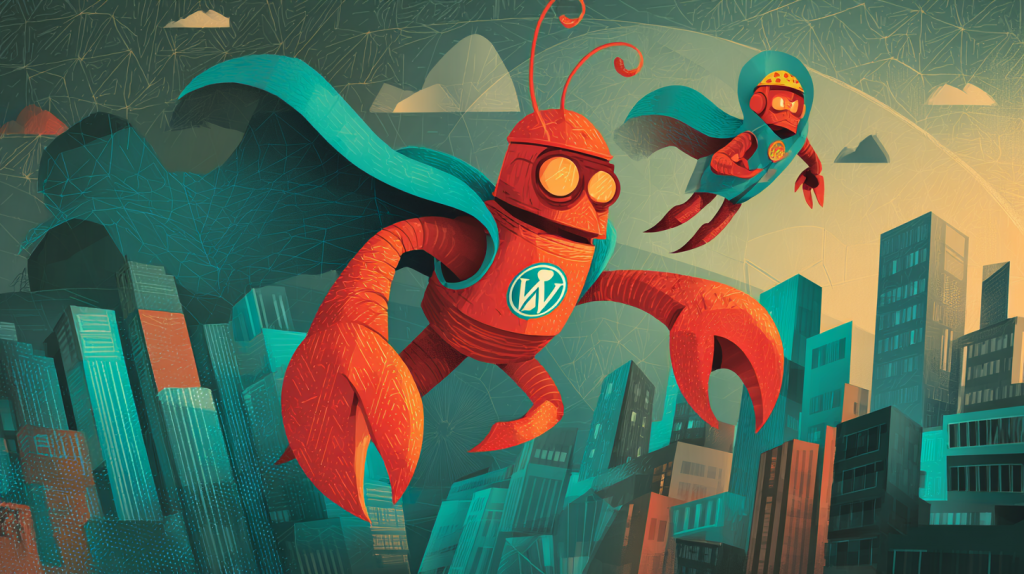
WordPress.com is shipping plugins that explicitly target AI crawlers and RAG systems.
Automattic’s “Markdown for AI Agents” plugin enables HTTP content negotiation. When a client sends Accept: text/markdown, the plugin returns a clean, structured representation which strips away theme chrome and leaves just the content.
The documentation calls it out directly: “ideal for AI crawlers, RAG systems, and non‑browser clients that prefer machine‑friendly text over complex HTML.”
Perplexity Computer and Skills: Workflows as First-Class Objects
And now Perplexity’s agent stack makes the “agent as primary user” assumption explicit.
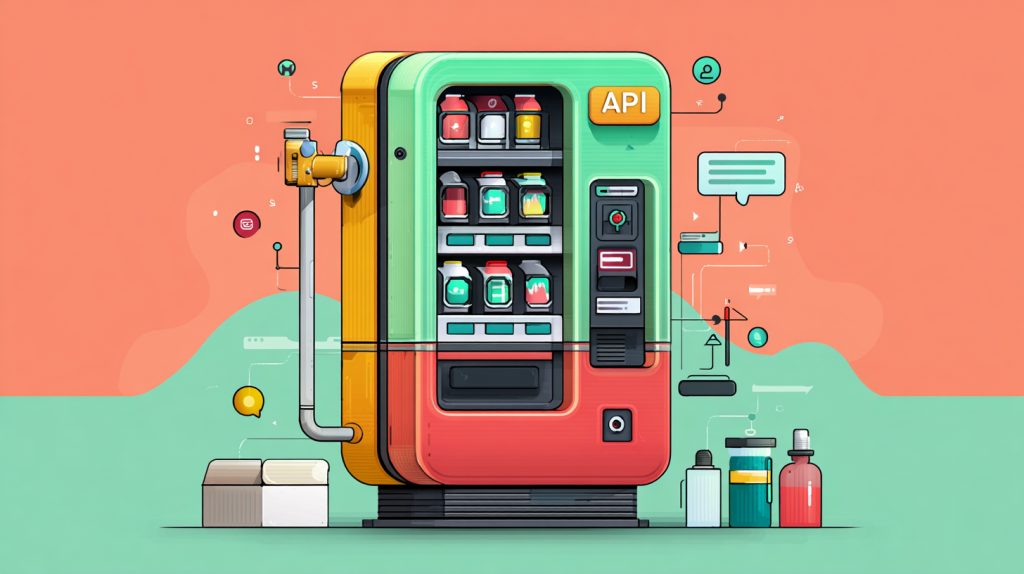
Computer is “a general‑purpose digital worker” that “creates and executes entire workflows” and can “run for hours or even months.” It operates software like a human co-worker — browser, filesystem, tool integrations. It creates sub-agents for research, document generation, data processing.
Skills tell Computer “exactly how to build” complex outputs. They activate on demand as reusable, named workflow components.
Perplexity has also been working on a new version of their agents that runs as a service natively on Mac Minis. This is an attempt to create a more secure version of OpenClaw, always running on a machine with access to everything.
Microsoft: Agents Collapsing the Interaction Stack
For the last decade, platform teams relied on “explicit API interaction layers: CLIs, SDKs, pipelines, wrappers, and UI workflows” to turn human intent into safe API calls. Now AI agents are “short‑circuiting much of that stack” by combining natural language understanding with direct access to “API specifications and control schemas.”

The old interaction stack collapses “into a single intelligent layer.” Reusable “skills” encode platform standards and become callable units agents use across workflows.
The Pattern
Google ships a Workspace CLI so agents hit first-party commands instead of scraping UIs. Automattic offers a plugin that negotiates clean Markdown for AI crawlers. Next.js vendors wire MCP directly into the framework. Perplexity turns workflows into durable “Computer Skills.” Microsoft tells platform teams to design reusable agent skills over APIs.
The message from vendors is blunt. The agents that matter won’t just be the ones with the best reasoning models. They’ll be the ones sitting on top of the cleanest, richest, most agent‑friendly APIs.